
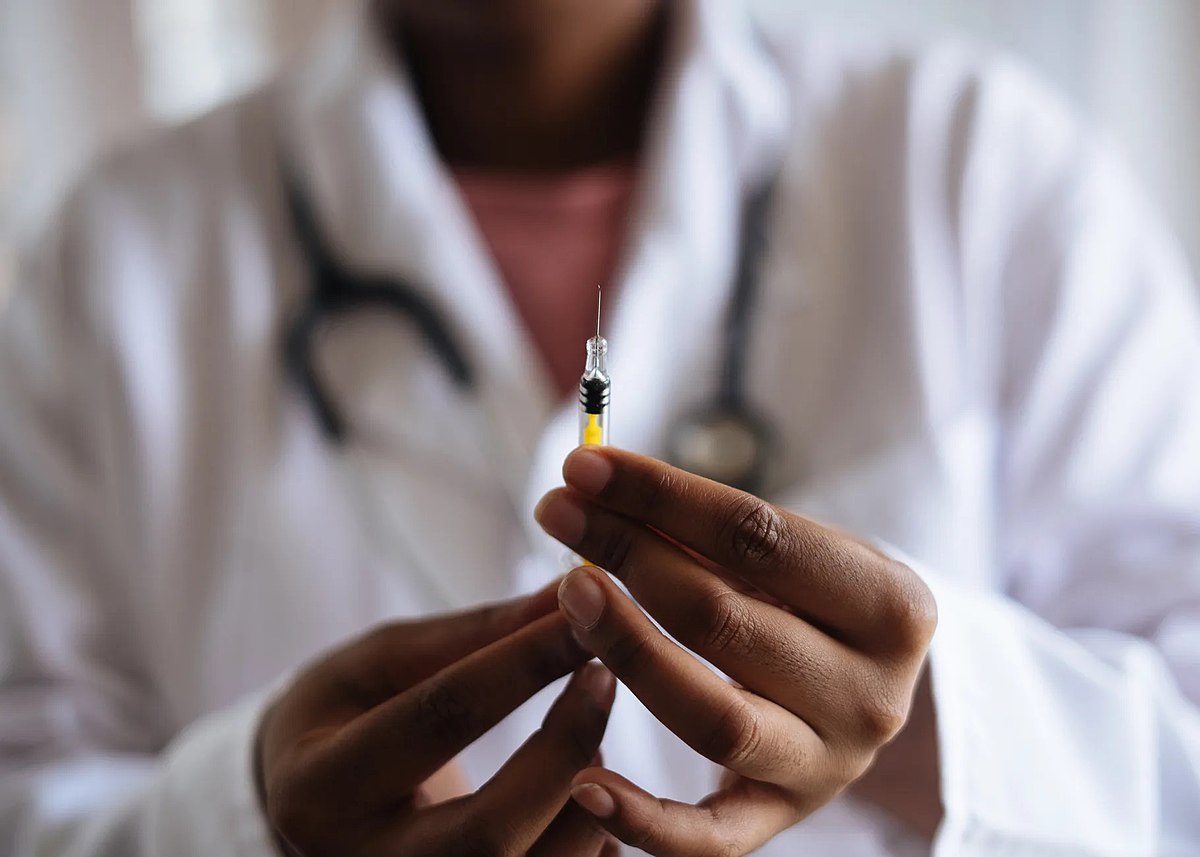
A majority of Hillsdale students do not plan on taking the COVID-19 vaccine, and a majority of faculty and staff already have taken it, according to a new Collegian poll.
In the survey, 55% of the 340 student respondents said they would not take the vaccine, with 23% saying they would take the vaccine and 20% undecided.
Among faculty, 76.5% of 102 respondents said they have already taken the vaccine, while 8.8% said they planned to take it and 9.8% said they don’t. Other faculty participants declined to respond or were undecided.
Among staff, 53.4% of 103 respondents said they have already received the vaccine, while 7.8% said they wanted to take it and 27.2% said they don’t. Others declined to answer or were undecided.
The poll included 545 respondents among students, faculty, and staff. It was conducted online and distributed through campus newsletters from Jan. 17 to Feb. 17.
In a Gallup poll last month, 65% of Americans said they would be willing to receive an approved vaccine if available at no cost.
Campus respondents who said they do not plan on taking the vaccine cited concern for potential side effects, distrust of the vaccine itself, and lack of being in a high-risk category.
Among those who want to take the vaccine, 48% said they wanted to speed the end of the pandemic, while 19% said they would take it to avoid exposing family members to the illness. Only 7% of those planning to take it cited fear of contracting the virus.
Professor of History Miles Smith said he took the vaccine.
“It was actually pretty easy,” Smith said. “The whole process, from me walking in to getting the shot, was less than five minutes.”
Smith said the shot’s effects were minimal.
“After the first shot, my arm got sore, like what happens with a normal shot,” Smith said. “I was tired for a couple hours in the afternoon after the second shot, but I didn’t have any significant side effects.”
Smith said he had multiple reasons for electing to receive the vaccine.
“I’ve just been wanting to do anything I can to be active and out in society around people again,” he said. “I wanted it for mobility purposes, to be able to be around the people I love.”
Smith has an elderly grandfather, as well as a close friend with cancer. He said he would like to be around them while preserving their comfort. Additionally, he said he has hope things will go back to normal eventually.
“My area of expertise is the 19th century, so there were the great cholera epidemics, the great yellow fever epidemics, and things bounced back pretty fast,” Smith said. “I think there will always be consequences, but I hope that doesn’t mean we won’t get back to normal. One thing you realize is once people get a taste of what they once had, they want more of it.”
Twenty-seven percent of participants who did not want to take the vaccine said they were distrustful of this particular vaccine. Another 26% said they believe they are not in a high-risk category for contracting COVID-19. Additionally, 23% were concerned about potential side effects. Only 5% said they were against vaccines in general.
Of the 545 surveyed, 86% said they normally take vaccines, and 50% normally take the flu shot.
Freshman Joey Spoelstra is electing not to receive the COVID-19 vaccine. He listed a number of concerns, most notably a distrust of the speed with which the vaccine has been produced.
“The long-term effects and symptoms haven’t been properly recorded because it’s such new science,” Spoelstra said. “I really don’t think we should be putting that in our bodies.”
Spoelstra also said he believes fear was a major motivator for the production of this vaccine.
“I don’t think fear is a proper motivator to rush a process like this,” Spoelstra said. “We can’t just fear everything our whole lives.”
He said people should have the freedom to choose whether to get the vaccine.
Sophomore Carson Brown also said he is hesitant about the speed at which the vaccine was developed, and questioned the motivation behind the vaccine’s production.
“I have been unimpressed by the rhetoric and societal manipulation performed by big science and business, causing me to be distrustful of the true purpose behind this pandemic and vaccine,” Brown said.
Brown said he expects things to go back to normal once the vaccine is more widely distributed, but hopes it will not cause long term health effects on its recipients.
Professor of Biology Silas Johnson, a virologist who is currently on sabbatical researching COVID-19, said the vaccine is designed to work like all vaccines — to create an immune response.
“Like all vaccines, the COVID-19 vaccines are designed to elicit a protective immune response against SARS-CoV-2, the virus that causes COVID-19, without causing the disease,” Johnson said.
In other words, the COVID-19 vaccine does not infect a recipient with the virus, nor does it change the recipient’s genetics.
“No, the vaccine does not change your genetics,” Johnson said. “This is the most common type of misinformation I hear about the vaccines. It is demonstrably false.”
He also addressed some other common fears about the vaccine.
“The vaccine is not dangerous and people should not be afraid of it,” Johnson said. “That being said, no vaccine is 100% risk free. Adverse events occur with all vaccines, but they are extremely rare.”
Johnson also weighed in on the speed of the vaccine’s production.
“The first studies which set the groundwork for our current mRNA vaccines were carried out in the early 1990s,” Johnson said. “The first human clinical trials for mRNA vaccines were in 2008. The current COVID-19 mRNA vaccines are the most promising mRNA vaccines developed to date.”
Johnson said he hopes to see a drastic reduction in the transmission of the virus once the vaccine is more widespread.
Junior Anna Cannon is not only open to the coronavirus vaccine, but has already taken it herself.
“I work in healthcare back home, so I was in one of the first rounds of people to get it,” Cannon said.
Even if she had not received the vaccine, Cannon said she would have gotten it anyway.
“I didn’t get it because I was worried about my health. I just wanted peace of mind and not having to worry about it if I’m visiting someone,” Cannon said.
Cannon also said she hopes things will get back to normal and more businesses will open up once the vaccine is more widely distributed.
“I think it’s good for old people to have it so they can visit their family and live normal lives,” Cannon said.
Freshman Elizabeth Speck is also in favor of getting the COVID-19 vaccine.
“I believe if we would like to establish herd immunity, the vaccine is the best way to go,” Speck said. “I also have family members who are very high risk and I would like to keep them and myself safe.”
Speck said everyone who is able should get the vaccine to help the number of community-transmitted cases decrease significantly.
