
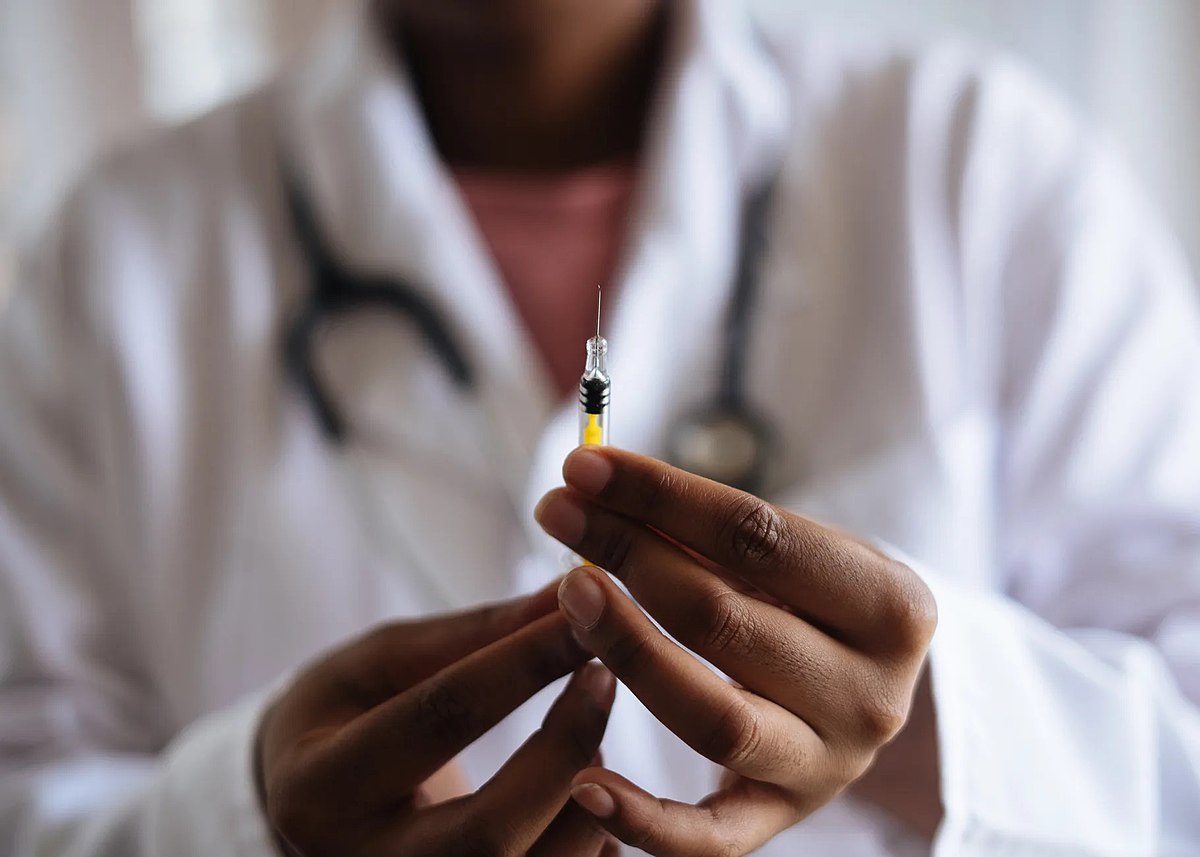
The controversial COVID-19 vaccine has been subject to rumors, speculation, and legitimate concerns since it was first rolled out on Dec. 14. While about 11.1 million people have already taken their first dose of the vaccine according to the New York Times, others believe that the vaccine will actually increase their health problems.
But what exactly is the COVID-19 vaccine, apart from the politics that surround it? Two Hillsdale professors weighed in on the science of the vaccine to give a clear picture of what it is and how it works.
Frank Steiner, professor of biology, said that the COVID-19 vaccine is the first real application of what are called mRNA vaccines.
“mRNA vaccines have been researched for about the last 20 years, but this is the first real application in a human situation,” he said.
As anyone who took Biology 101 will know, DNA is converted to RNA, and RNA is converted into a protein within a cell. As Steiner explained it, “the DNA is the information in a cell, the protein is what does things in a cell, and the RNA is in-between.”
“What’s been done in the past is that we’ve used proteins as vaccines,” he said. “That’s what your immune system reacts to.”
After decades of research, however, scientists have discovered a way to introduce the helpful protein into the body without artificially producing it themselves. mRNA, which carries the genetic code for a protein, enters the body via the vaccine and then produces the protein on its own.
“There are many different types of vaccines that target viruses,” said Biology Professor Silas Johnson. “Some involve delivering a weakened or ‘killed’ version of the virus itself. Some involve delivering just one part of the protein structure of the virus.”
The COVID-19 vaccine, on the other hand, takes it one step further—rather than introducing a protein, it delivers mRNA, which carries the protein’s genetic sequence. This has led to fears that the vaccine will produce genetic mutations in people who take it. However, Johnson said that this feature of the COVID-19 vaccine is actually what makes it safe and effective.
“The mRNA vaccines are very safe because they don’t introduce the virus into the body, only some genetic information that allows your body to make one small part of the virus,” he explained.
Steiner agreed that using mRNA made the COVID-19 vaccine safer and more effective than previous vaccines.
“It’s probably one of the reasons that the two clinical trials on the Moderna and Pfizer vaccine were 90-94% effective,” he said.
Next, Johnson explained how the mRNA vaccines work within the body.
“The genetic information for one of the proteins found on the surface of the SARS-CoV-2 virus is delivered to recipients in the form of a nucleic acid molecule called mRNA,” he said. “The mRNA is taken up into the cells of your body and your cells then use the genetic information to make the viral protein.”
After the protein is created, the recipient’s immune system recognizes the foreign protein and attacks it.
“This takes a couple weeks to happen, but this immune response will protect you from the disease if you are ever exposed to the virus in the future,” Johnson said.
Operation Warp Speed, the U.S. government’s partnership with private companies to create the COVID-19 vaccine, accomplished in months what usually takes years. In fact, the average vaccine takes about 10-15 years to develop. This raised concerns about the safety of a vaccine introduced to the general public in only a fraction of that time. According to Steiner, however, its speedy development wasn’t due to shoddy testing, but to the new technique of using mRNA instead of a protein.
“Instead of having to use a protein to make an antigen and produce an immune response, researchers were able to go back one step, synthesize the mRNA that makes the protein, and let the cell make the protein, which is a natural process,” he said.
Building up this immune response requires more than one dose of the vaccine, which is why the COVID-19 vaccine is taken in stages.
“Typically, the number of vaccine doses administered is dependent on how the vaccine works,” Johnson explained. “In vaccines that only deliver one small part of a pathogen, or in the case of the COVID-19 mRNA vaccine, a nucleic acid molecule that specifies the production of a single viral protein, the immune response typically isn’t as strong. So you need multiple doses to generate a strong enough immune response to be protective.”
Perhaps the greatest concerns about the virus, however, have to do with its side effects. In fact, a batch of the Moderna vaccine administered in California was recalled on Jan. 18 after several people experienced severe side effects. However, Steiner and Johnson agree that side effects shouldn’t be a source of worry to people considering the vaccine.
“These side effects are normal for the majority of vaccines,” Steiner said. “They’re under study, but there are severe allergic reactions to just about every vaccine for a small minority of people. I don’t think it’s due specifically to this vaccine.”
“The vaccine is very safe and the risks of severe side effects are extremely low,” Johnson said. “The most common side effects include soreness and redness at the injection site, and it’s also common for recipients to experience flu-like symptoms. These are all signs that your body is mounting a good immune response against the vaccine.”
Steiner said that the majority of concerns about the vaccine likely stem from fear about utilizing new techniques. “People are very hesitant to accept this new strategy of a vaccine,” he said. “But I think it’s very efficient and it’s certainly needed.”
